Female nature is closely intertwined with the appreciation and pursuit of beauty. Our bodies often exhibit minor, and in some cases, more noticeable differences in geometry and size between the right and left sides. These differences vary, but in general, they fall within certain limits. When these differences become too pronounced, they become noticeable and are considered worth correcting.
What is breast asymmetry?
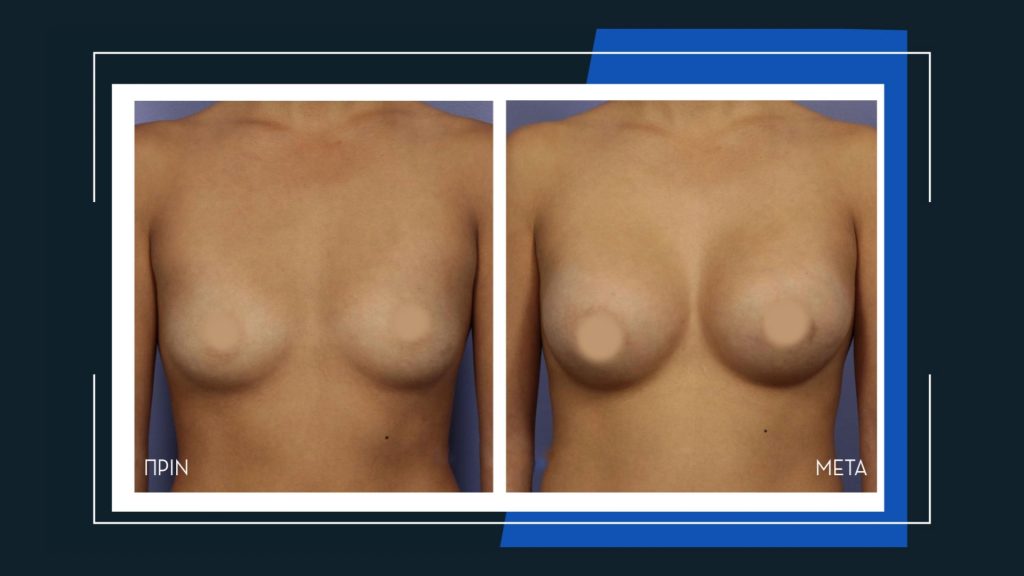
Breast asymmetry refers to a situation where there is a noticeable difference between the two breasts. While small differences are always present, for a patient to seek out a plastic surgeon, these differences must be visibly significant.
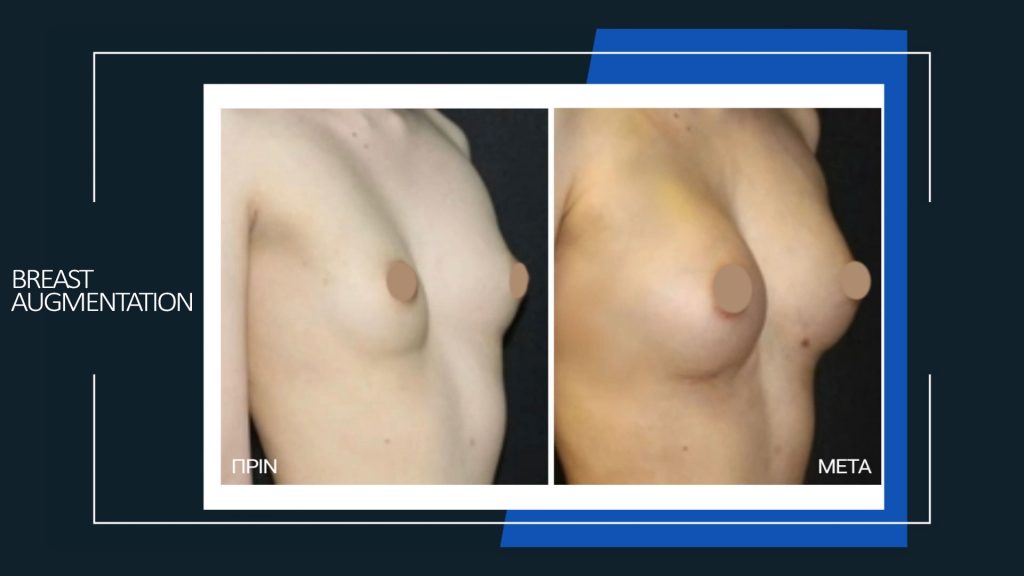
It is worth noting that breast asymmetry is often corrected during other breast surgeries. In breast augmentation, lifting, or even reconstruction procedures, any identified asymmetry can be addressed.
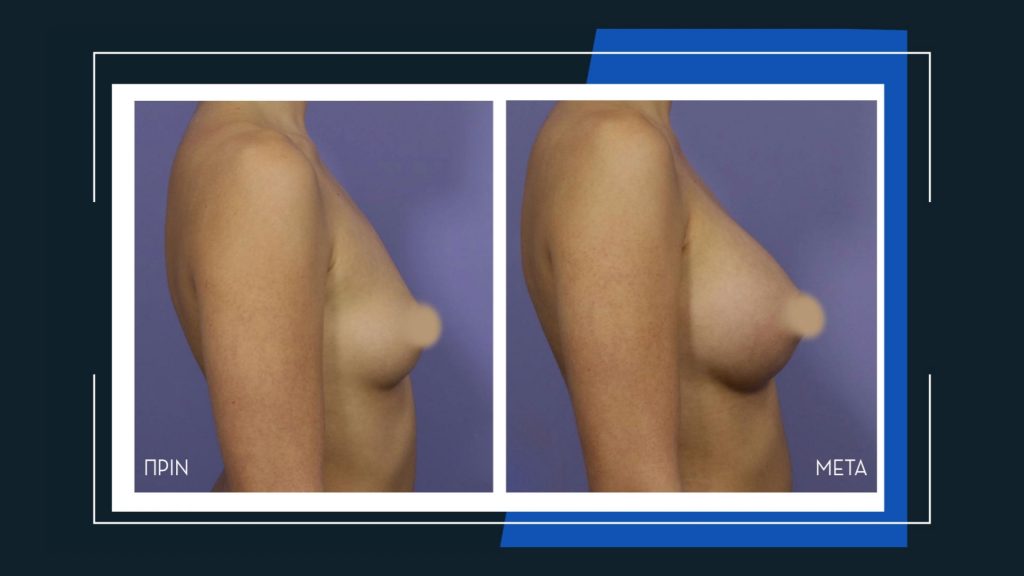
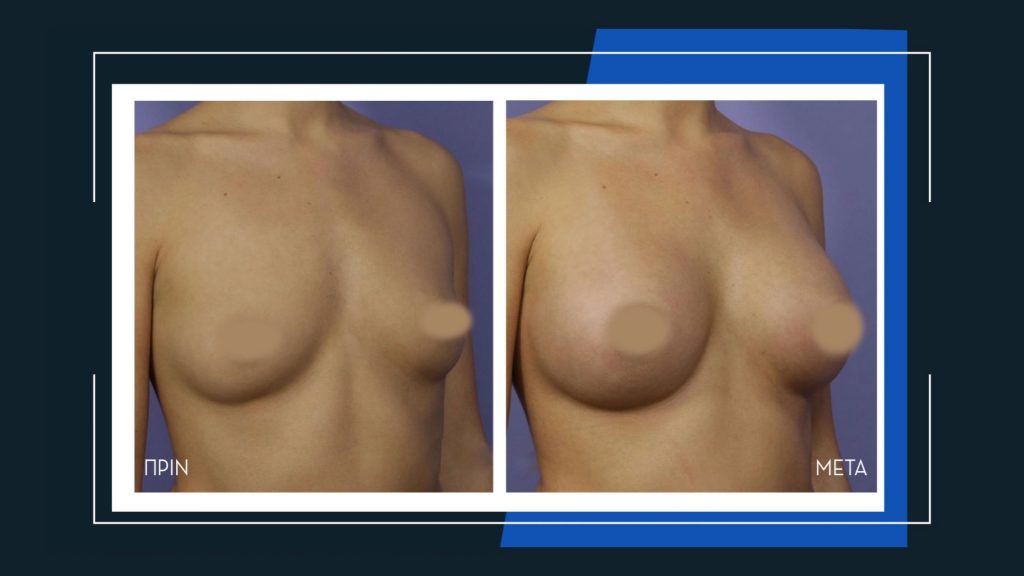
This breast asymmetry can affect the size, shape, position, or even the nipple of the breasts. It can range from barely perceptible to significant differences between the breasts. Breast asymmetry can have significant psychological effects on women, leading to low self-esteem, lack of confidence, or even depression. Practically, it can also cause challenges with clothing adjustments or finding a suitable bra.
Over half of the female population experiences morphological differences in their breasts, though these differences typically do not have a significant impact. It is estimated that approximately 5.2% of aesthetic breast surgeries are performed to correct breast asymmetry.
Types of Breast Asymmetry
● Shape asymmetry
● Size asymmetry
● Nipple asymmetry
● Asymmetry around the nipple (areola)
● Asymmetry in the skin beneath the breast
Types of Asymmetry
There are three distinct types of asymmetry:
Developmental Asymmetry
Developmental asymmetry is the most common type of breast asymmetry. In this case, the breasts have a normal shape, but there is a size difference. Another common type of asymmetry in this category is when one breast is smaller and conical, while the other is larger with a more natural shape and downward slope.
Tubular Breasts
Tubular breasts are a condition that affects the shape. In these cases, the breast has a tube-like shape, and its tissue is trapped behind the nipple. It is typically smaller in size, with a downward slope and disproportionately large nipple.
Poland Syndrome
Poland Syndrome is a congenital anatomical abnormality that results in the absence of underlying muscles and, in some cases, ribs. This syndrome may also be associated with underdevelopment of the chest and upper limb.
Choosing the Right Breast Surgery
Correcting breast asymmetry requires careful pre-surgical measurements and a thorough assessment by a skilled plastic surgeon. Often, different procedures are performed on each breast to make them more aesthetically similar. For example, one breast may undergo augmentation, while the other may require a lift or reduction.
The choice of the appropriate correction method depends on:
● The size of the breasts
● The shape of the breasts
● The desire to correct one or both breasts
If the issue is only related to size, there are three options:
- The smaller breast can be enlarged with a silicone implant or fat transfer. Breast augmentation is an excellent option for correcting asymmetry, especially when there is no downward slope, leaving minimal scarring.
- The larger breast can be reduced with a breast reduction surgery. This procedure will leave some scarring but typically provides a better long-term solution compared to using implants.
- The same procedure can be applied to both breasts, either augmentation or reduction, but at different levels to achieve symmetry.
As seen above, breast asymmetry increases the complexity of plastic surgery procedures for the breasts, both in terms of immediate correction and predicting how each breast will behave over time. Generally, results from these corrections last about 12 to 15 years.
Important Information About the Surgery
Breast asymmetry correction is usually performed under general anesthesia and requires a one-night hospital stay. The patient can go home the following day and return to work and daily activities within 1 or 2 days. Sports activities can be resumed after 10 to 15 days, initially starting gently and with caution. After one month, even weightlifting is allowed.
The correction of breast asymmetry leads to improved patient psychology, and her daily life is noticeably better on various levels!
The psychological impact of correcting breast asymmetry is significant because when it is noticeable, it can limit a woman’s choices in clothing, sports activities, and even her personal life. Correcting the asymmetry resolves these issues and removes any related inhibitions in her life.