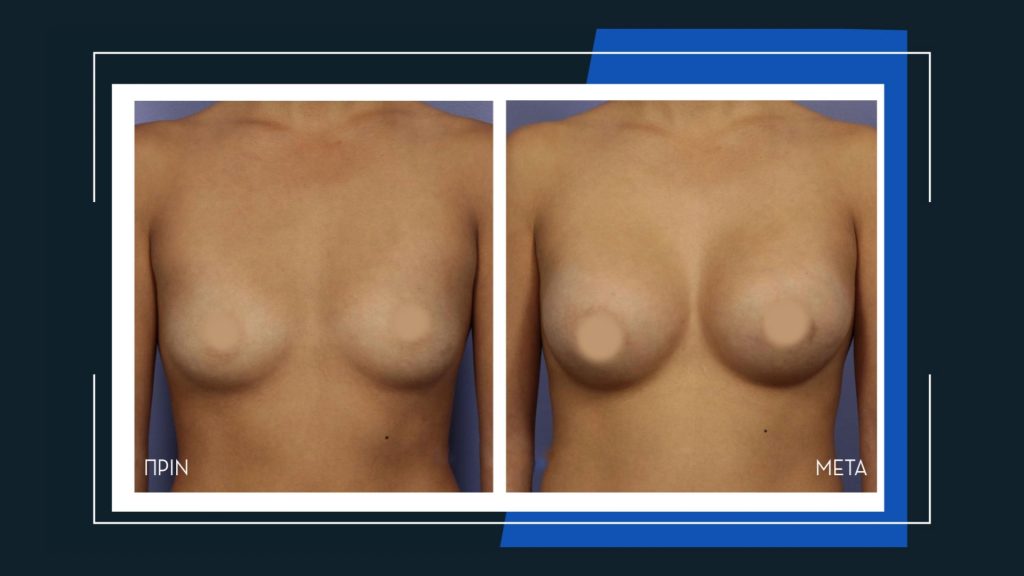
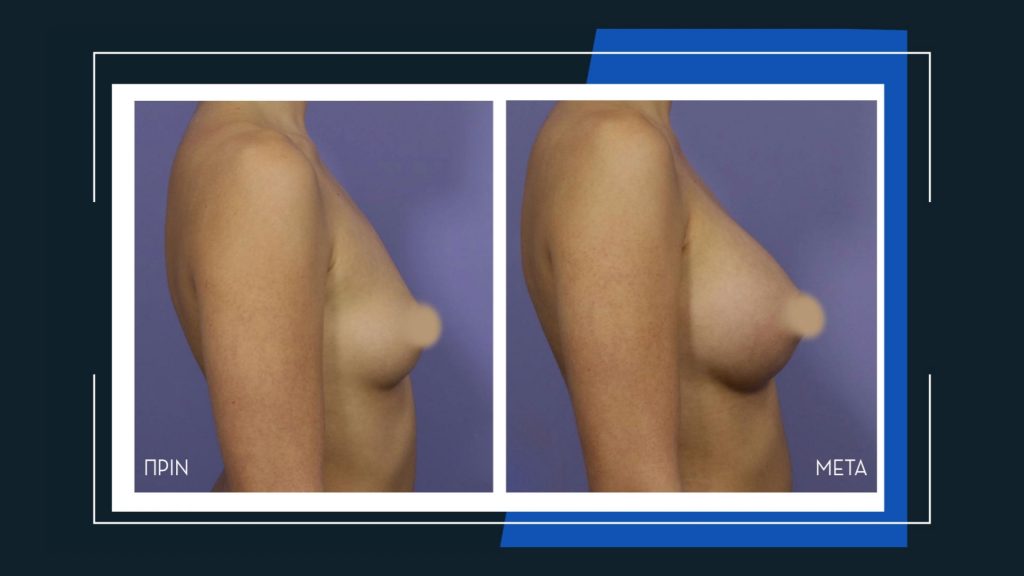
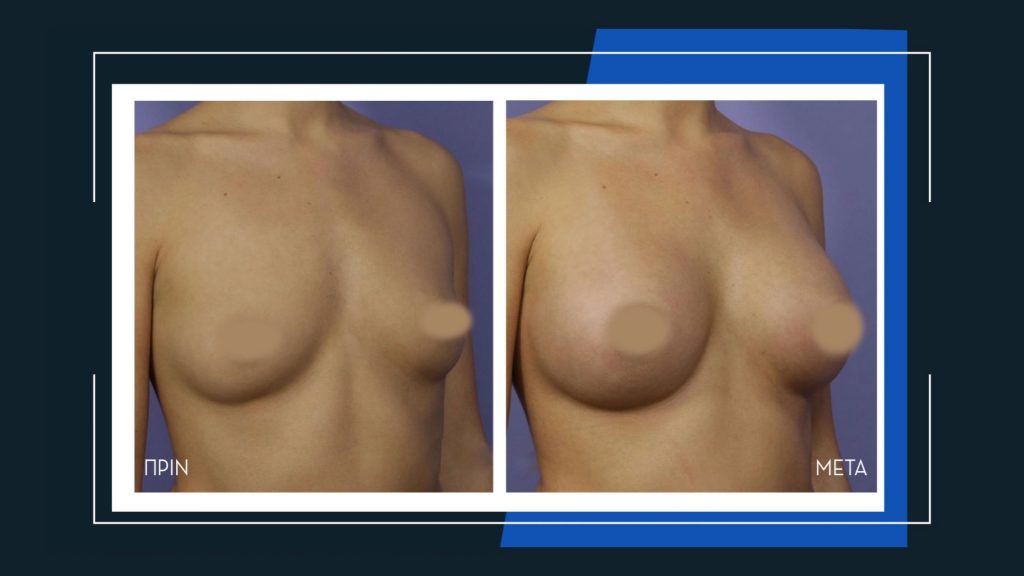
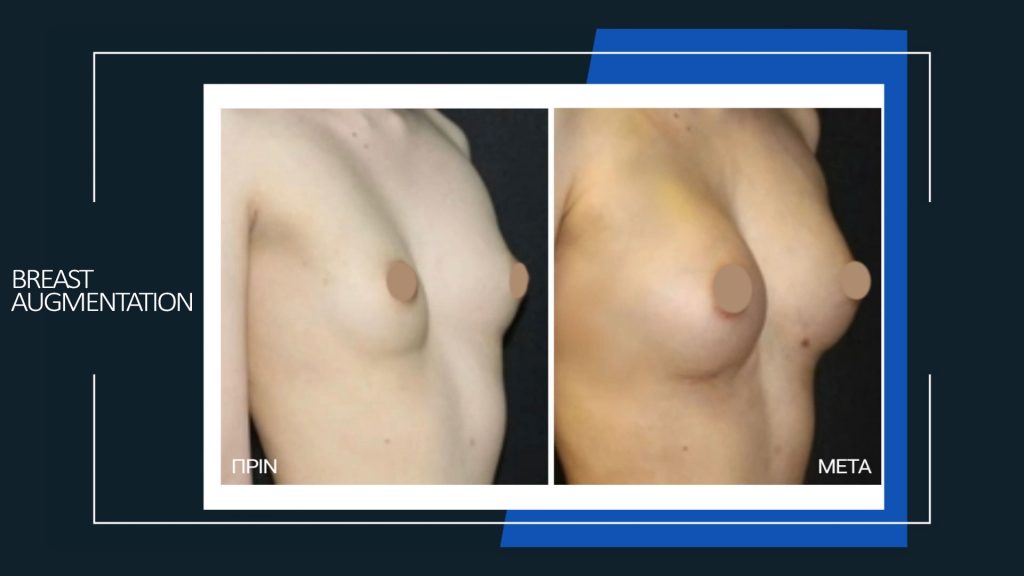
What is Gynecomastia?
Gynecomastia is the excessive enlargement of the breast in men. While breast development in women is considered an attractive feature, this enlargement in men can have the opposite effect.
What Causes Gynecomastia?
The progression of age, lack of exercise, increased body weight, or various dietary supplements or medications, combined with hormonal and genetic factors, are usually responsible for the loss of firmness in the male chest.
Types of Gynecomastia
Gynecomastia can be divided into two categories based on its causes: pseudogynecomastia and true gynecomastia.
- Pseudogynecomastia: Men may develop pseudomastia or lipomastia, where fat accumulates without the presence of atrophied glands. This type is mainly found in overweight individuals.
- True Gynecomastia: This condition is linked to an endocrine disorder. It is important to investigate whether there is an underlying pathological issue.
Causes of True Gynecomastia:
- Physiological: Resulting from normal hormonal changes.
- Neonatal: Newborns may have enlarged breasts at birth, caused by maternal hormones, which subside after a few weeks.
- Adolescent: Partial breast enlargement in many boys due to hormonal secretion during normal development. This enlargement is small, does not cause psychological issues, and disappears within 1-3 years, so surgery is not necessary.
- Climacteric: In older men, when reproductive functions weaken, breast enlargement may occasionally occur. This can vary in age and may require endocrine investigation.
- Endogenous: Caused by a pathological dysfunction of a gland, requiring a full medical history, clinical examination, and laboratory tests to find the cause. Surgery is not immediately required, but the underlying condition needs treatment.
- Exogenous: Resulting from certain medications.
Regardless of the cause, it is treated with advanced medical techniques.
How is the Procedure Performed?
The surgical technique depends each individual case and is decided after clinical examinations. Typically, liposuction and some degree of gland removal are required. The procedure is done through tiny incisions (2-3 millimeters) around the nipple. The surgery may also involve the removal of excess skin, depending on the extent of the issue. In rare cases of significant weight loss accompanied by severe skin laxity, an inverted T-shaped incision may be needed.
Gynecomastia surgery is performed under mild sedation and local anesthesia and is completed within 2 hours.
After the Procedure
The patient can return home the same day, wearing a compression garment, and resume work and daily activities immediately. For sports activities, mild exercises can begin after the first two weeks.
Postoperative bruising and swelling are normal and usually disappear within the first 10 days. The chest reaches its final appearance about 90% one month after the surgery.
A key advantage of this surgery is that the results are permanent and stable over time, and minor fluctuations in body weight do not affect the outcome.
At our clinics, we use the most advanced liposuction and breast contouring techniques. Our goal is to permanently treat gynecomastia, remove excess fat and skin, and create a harmonious, flat, and firm masculine chest.