Otoplasty for Harmonious Shape & Size of Ears!

At a glance:
  • The most appropriate procedure for shaping the ear’s auricle
  • Can be performed from preschool age
  • Painless procedure with immediate visible results
  • The stitches are located on the back of the ear and leave no visible scars
  • The aesthetic result is permanent and unaltered

What is otoplasty (ear surgery)?

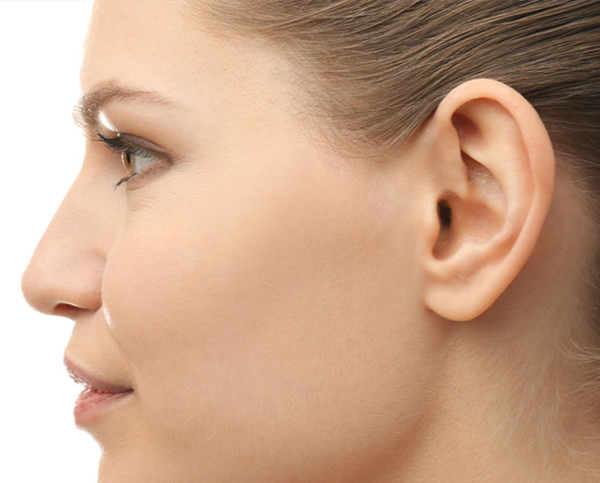
Otoplasty is the surgery that deals with shaping the ear’s auricle, either due to aesthetic deformity present from birth or damage after an accident.

Our ears are the organ that allows us hearing which is one of our five senses. Their role is primarily functional and minimally aesthetic. The eyes and mouth dominate the face, while the ears function aesthetically as a harmonious frame for the face. When they become too prominent, their size and position can become disproportionate, creating imbalance in the facial harmony.

With the advanced technique of otoplasty, we ensure the balance of facial features. The ears are shaped correctly, making them blend naturally into the overall look.

Did you know that…

  • Protruding ears (prominent ears) are a very common phenomenon, affecting more than 5% of people?
    In many cases, this is more or less acceptable, but in other cases, the ears protrude significantly and differ in size, shape, etc.
  • The congenital shape and size of the ears do not change as we grow older.
    Therefore, there is no reason to delay ear surgery, as there will be no improvement with time.
  • Using headbands for girls or bandages for boys is not a solution.
    On the contrary, they can only cause discomfort and do not solve the issue of protruding ears.
  • This imbalance between ears and the face can cause psychological stress in children and young people.
    A recommended solution is to perform otoplasty by the age of 6.

How is ear surgery performed?

In children, the procedure is done under general anesthesia, while in adults, it is done under mild sedation and local anesthesia, lasting about 2 hours. During the surgery, an incision is made on the back side of the auricle, so that it is as inconspicuous as possible. Through this single incision, the cartilage framework is prepared for the necessary adjustments. Once the cartilage is shaped and stabilized, the initial incision is sutured with intradermal stiches. After the surgery, an elastic bandage is applied around the ears.

After the surgery

Otoplasty is a day surgery, and the patient is discharged 1 to 2 hours after the procedure while wearing a simple elastic bandage. This bandage is kept on for 7 to 10 days, and then only an elastic strap is required during sleep.

The otoplasty procedure does not cause discomfort and is not accompanied by any pain, just a numbness in the area that lasts for the recovery period. Prophylactic antibiotics and anti-inflammatory medication are given orally for 10 days. It is advised to avoid intense physical exercise for 15-20 days and to avoid contact sport activities (e.g., martial arts) for about 30 days.

What are the results of otoplasty?

The improvement in the patient’s appearance after a successful otoplasty is quite noticeable, as it is also accompanied by a significant improvement in their psychological well-being. Women, in particular, are impressively cheerful and happy, and the general impression from their friends and colleagues  is that they have become more attractive, although it is hard for others than the patient to pinpoint exactly why.

“After all, the definition of beauty is simply recognizing it when it is present.”
— Marcel Proust, French writer

Frequently Asked Questions

At what ages can ear surgery be performed?

Otoplasty can be performed at a young age, particularly in boys, to avoid critical comments from classmates at school.

Earrings in women often stretch large holes in the earlobe or completely pierce it. In these cases, restoration is possible through minor procedures (e.g., Z-plasty) to restore the normal anatomy of the area.

How long does the process take?

Otoplasty is a day surgery that takes about 2 hours.

Will I feel pain after otoplasty?

After the otoplasty procedure, the patient does not experience pain. The only sensation during recovery is numbness in the area.

When can I return to my activities?

1-2 hours after the procedure, the patient is discharged while wearing a simple elastic bandage, which is required for the next 7-10 days, and then only an elastic strap should be worn during sleep. If the patient has an office job, they can return to work once they feel comfortable with the bandage. In cases where remote work is possible, the return is usually the next day. For manual labor, a few extra days are needed, and for the following 15-20 days, intense exercise should be avoided. Return to more violent sports and martial arts is recommended after the first month.

What type of anesthesia is used?

In children, otoplasty is performed under general anesthesia, while in adults, mild (twilight) sedation and local anesthesia are used.

What is the cost of otoplasty?

The cost of otoplasty is determined based on the specific needs of the patient and the individualized plan created by the plastic surgeon and their team to achieve the optimal result from the procedure. The final cost includes, among other things, the fees for the plastic surgeon, their team, and the anesthesiologist.

Δείτε αποτελέσματα

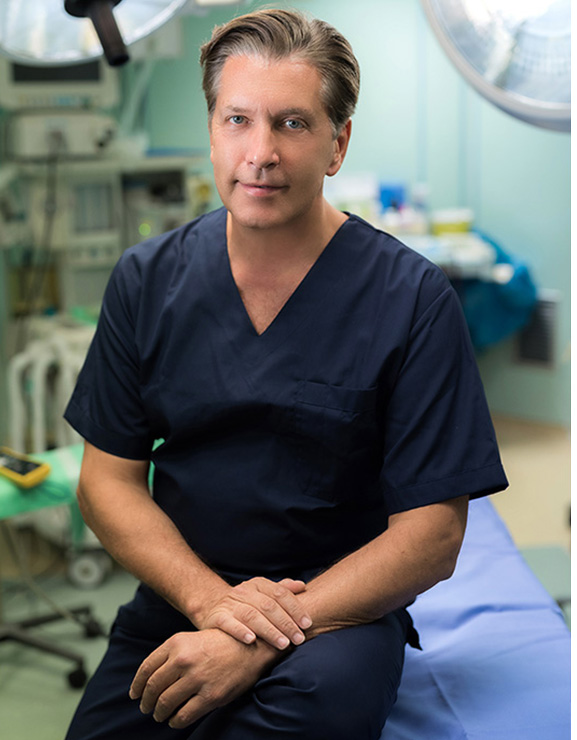
Dr. Boukouvalas, MD, PhD

Plastic & Reconstructive Surgeon

Dr. Zisis Boukouvalas, Plastic Surgeon, is the Director of the Plastic Surgery Clinic at “METROPOLITAN” Hospital and holds a PhD from the Aristotle University of Thessaloniki.

Contact: