Rhinoplasty: Harmonious Nose & Free Breathing!

At a glance:
  • The most sought-after procedure in Plastic Surgery
  • Improves the shape, size, and functionality of the nose
  • Resolves breathing issues
  • Performed under general anesthesia
  • Minimal postoperative pain, manageable with simple pain relievers
  • Hospital stay is less than 24 hours

What is rhinoplasty?

Rhinoplasty is a procedure aimed at both the aesthetic and functional restoration of the nose. It essentially involves a triple procedure: plastic surgery on the nasal septum, reduction of the lower nasal turbinates, and aesthetic correction of the nose as a whole. These interventions are designed not only to improve the appearance of the nose but also to facilitate breathing, which is immediately noticeable after the surgery.

The nose is a central aesthetic feature of our face. Positioned in the center, small changes in its shape, size, and orientation can significantly affect our overall appearance. Additionally, the nose has a crucial functional role, as it filters the inhaled air, removing micro-particles and dust, and regulates temperature and humidity. It is therefore both for aesthetic and functional reasons that approximately 500,000 people annually undergo rhinoplasty.

What issues can rhinoplasty correct?

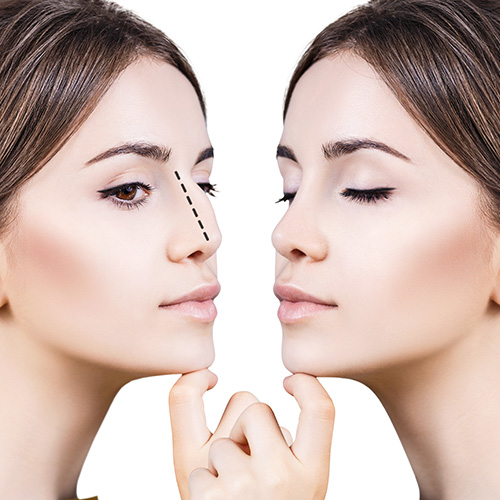
Rhinoplasty is performed to address issues with the size, thickness, or width of the nose, as well as the size, shape, and position of the nostrils. The tip of the nose (whether large, raised, or drooping) can also be altered. From an aesthetic perspective, these are some of the key problems rhinoplasty can correct.

Rhinoplasty is also performed following injuries or previous rhinoplasty procedures that may have caused deformities in the nose. A deviated nasal septum (crooked nose) is another common reason for seeking rhinoplasty. Other significant medical reasons can also lead a patient to undergo rhinoplasty, such as hypertrophy of the lower nasal turbinates, or a hump or indentation seen on the profile of the nose, which, apart from the aesthetic aspect, often causes breathing difficulties. What must be emphasized is that rhinoplasty corrects the nose not only aesthetically but also functionally.

 The rhinoplasty procedure

The procedure does not require external incisions and is performed almost entirely through the nostrils, always under general anesthesia. External incisions are not made unless opting for open rhinoplasty (a choice made by the surgeon), and even then, no visible scars remain, as the only external incision is at the columella (the area between the nostrils).

During rhinoplasty, the osteocartilaginous framework is reshaped, and the septum (which is often crooked) is corrected, while aesthetic deformities are addressed to achieve a harmonious and fully functional nose. Often, cartilage grafts are required, taken from the nasal septum, ear, or rib cartilage.

It is a quick procedure, with hospitalization lasting less than 24 hours.

After the procedure In most cases, patients return home the day after the rhinoplasty. During the first 48 hours, the patient is required to wear gauze and a small splint. The bruising and swelling caused by the procedure are minimal, if at all present, and subside within 7-10 days, revealing the immediate result of the rhinoplasty. The surgeon, depending on the needs arising from the surgery, will inform the patient about postoperative care and any medications required.

Dr. Boukouvalas is knowledgeable about all rhinoplasty techniques and applies each one to the appropriate case. Just as a key doesn’t fit every lock, not every technique suits every patient. Expertise in the field of rhinoplasty always comes with experience in applying the right technique to the right case.

Modern rhinoplasty emphasizes a natural result.

The nose should blend harmoniously with the other facial features, without dominating the overall appearance, but rather enhancing the other traits. Before every surgery, we assess the shape and uniqueness of the face, leading to the most natural correction for the area.

Frequently Asked Questions

At what age can rhinoplasty be performed?

Rhinoplasty can be performed from the age of about 18. The procedure cannot be done before the face has fully developed, as premature rhinoplasty may cause disproportionate features and affect the nose’s functionality.

Will I feel pain after rhinoplasty?

The pain after the procedure is minimal and is managed with simple painkillers.

How soon can I return to my activities?

Each patient’s case is different, but the recommended rest period is usually one week. If there is an option for remote work, the patient can return to work on the 3rd or 4th day. Otherwise, they can return to the office after the first 7 days. For manual labor, a longer break of about 2-3 weeks is required. Physical activities can resume after the first two weeks.

What is the duration of the procedure?

The exact duration of the procedure varies depending on the patient’s case. Factors such as the reason for surgery, the technique used, and other considerations determine the final duration. Generally, the minimum time for the procedure is one hour, and the maximum is three hours.

What type of anesthesia is used?

Rhinoplasty is performed under general anesthesia.

What is the cost of rhinoplasty?

What is the cost of rhinoplasty? The cost of rhinoplasty is determined according to the individual needs of the patient, based on a personalized plan and the specific technique applied by the plastic surgeon and their team, aimed at achieving the best result. The final cost includes, among other things, the fees of the plastic surgeon, their team, and the anesthesiologist.

Results

Dr. Boukouvalas, MD, PhD

Plastic & Reconstructive Surgeon

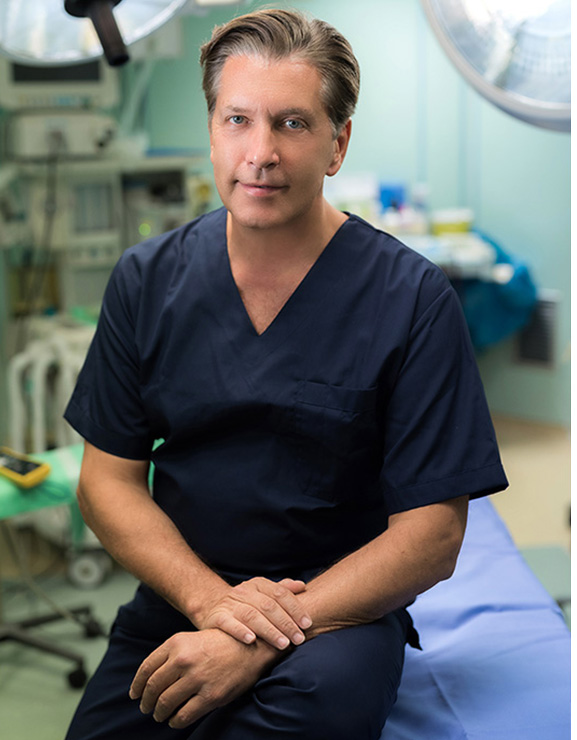
Dr. Zisis Boukouvalas, Plastic Surgeon, is the Director of the Plastic Surgery Clinic at “METROPOLITAN” Hospital and holds a PhD from the Aristotle University of Thessaloniki.

Contact: